





Updated on: 05 November, 2026 07:08 PM IST |Kavya Agarwal
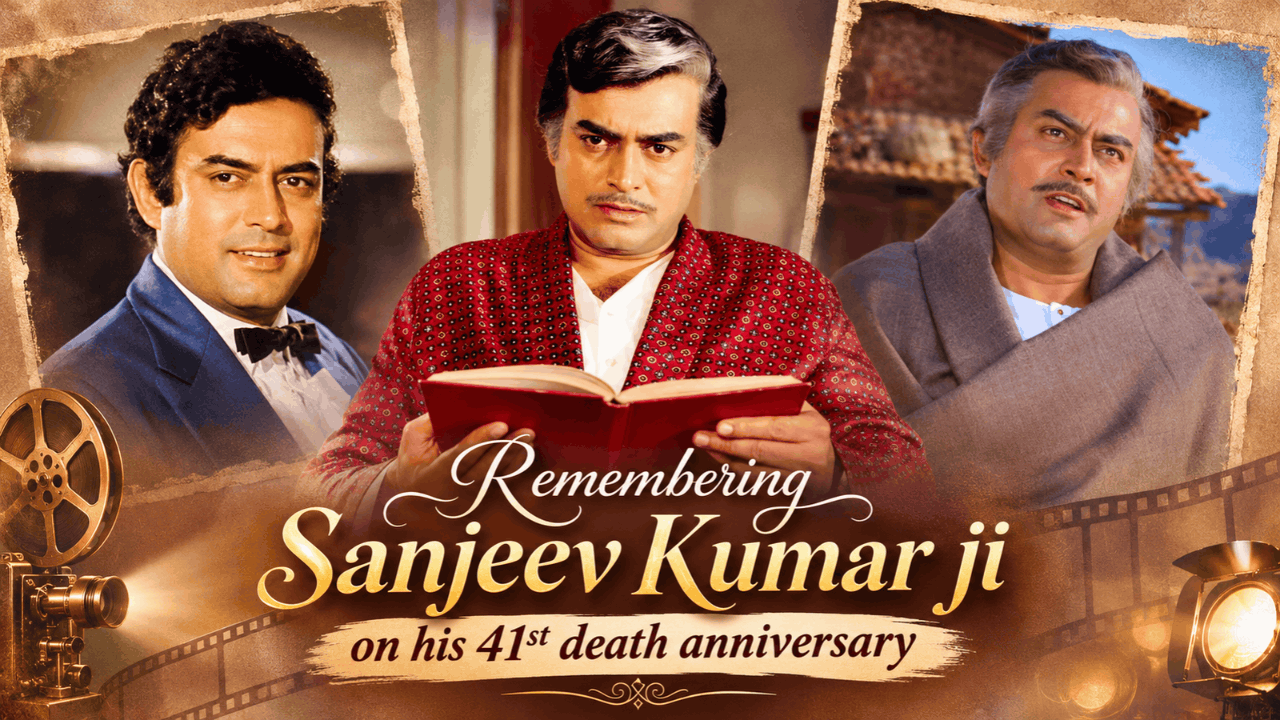
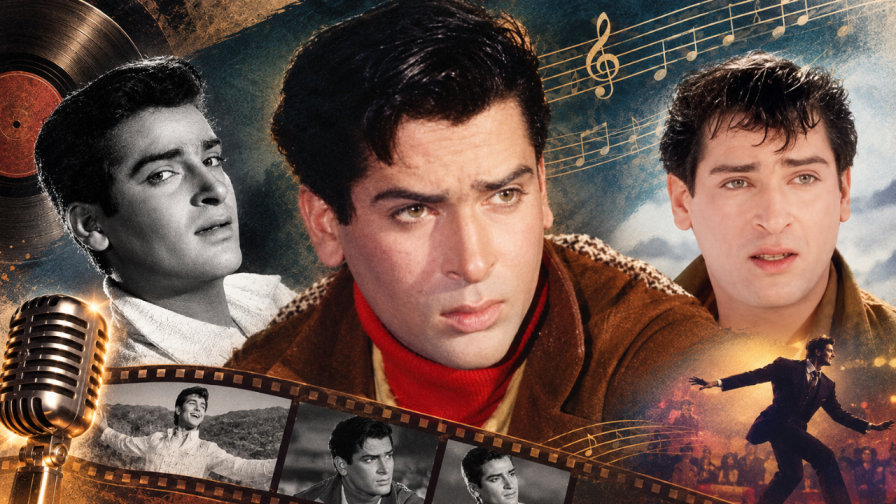
41 years have passed since Hindi cinema lost one of its most extraordinary performers, yet Sanjeev Kumars presence continues to be felt in every unforgettable character he brought to life. What made Sanjeev Kumar so different from the superstars of his generation? Was it his extraordinary versatility, his fearless choice of unconventional roles or his ability to portray characters far older than himself? Perhaps it was all three! As we remember the legendary actor on his 41st death anniversary, lets revisit the remarkable journey of a man whose performances have stood the test of time and whose absence Bollywood continues to feel.
Identity and origins
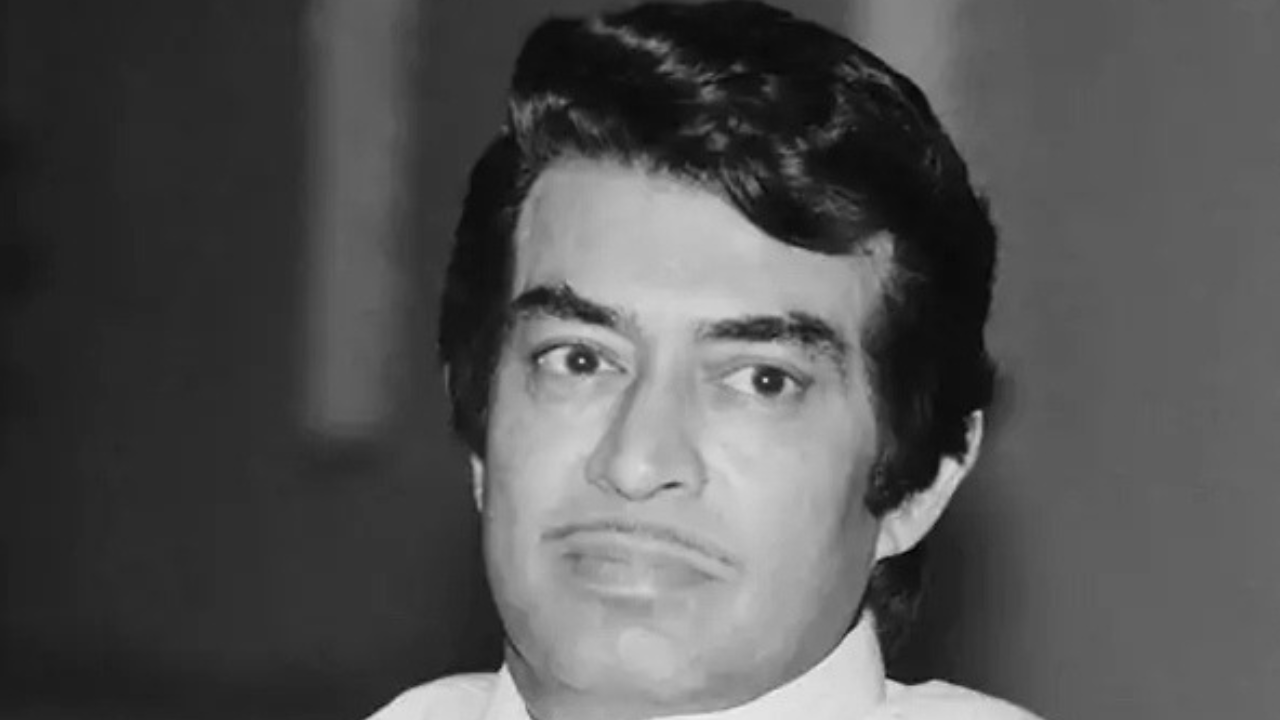
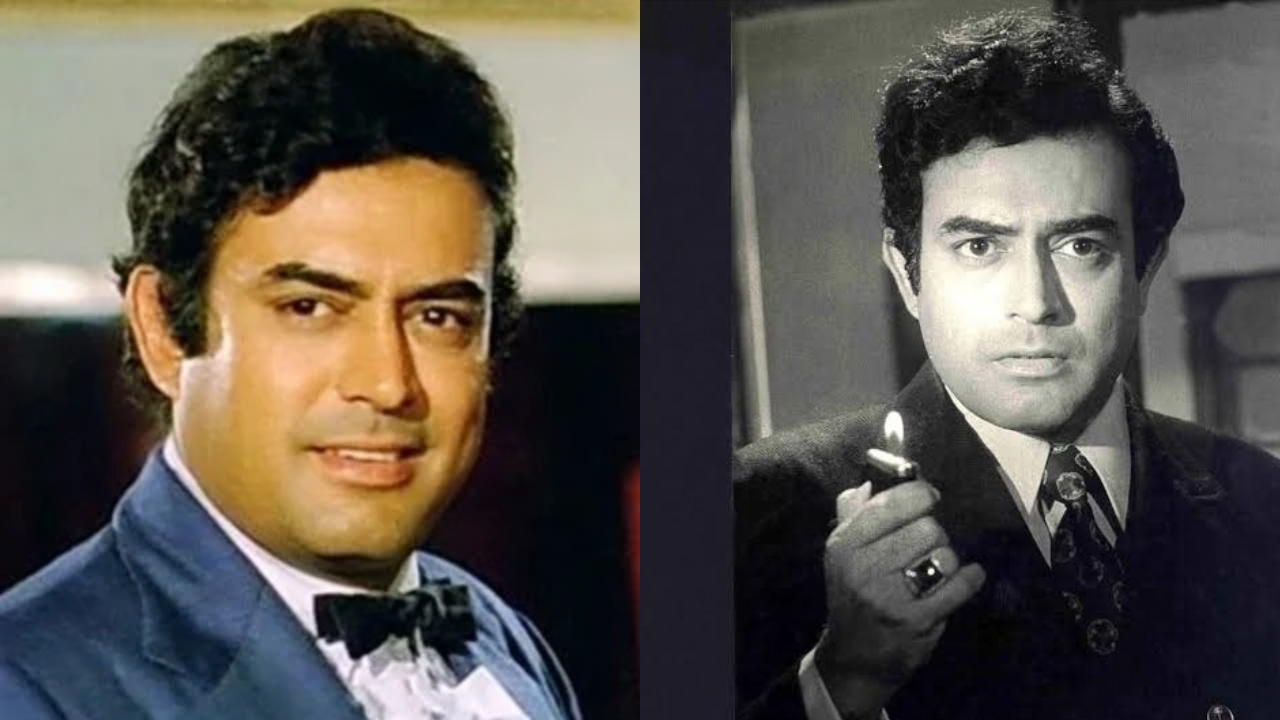
Born Harihar Jethalal Jariwala, Sanjeev Kumar transitioned from stage acting with IPTA and the Indian National Theatre to films under the screen name Sanjeev Kumar, given to him by director Sawan Kumar Tak.
Born Harihar Jethalal Jariwala, Sanjeev Kumar transitioned from stage acting with IPTA and the Indian National Theatre to films under the screen name Sanjeev Kumar, given to him by director Sawan Kumar Tak.
Unconventional roles
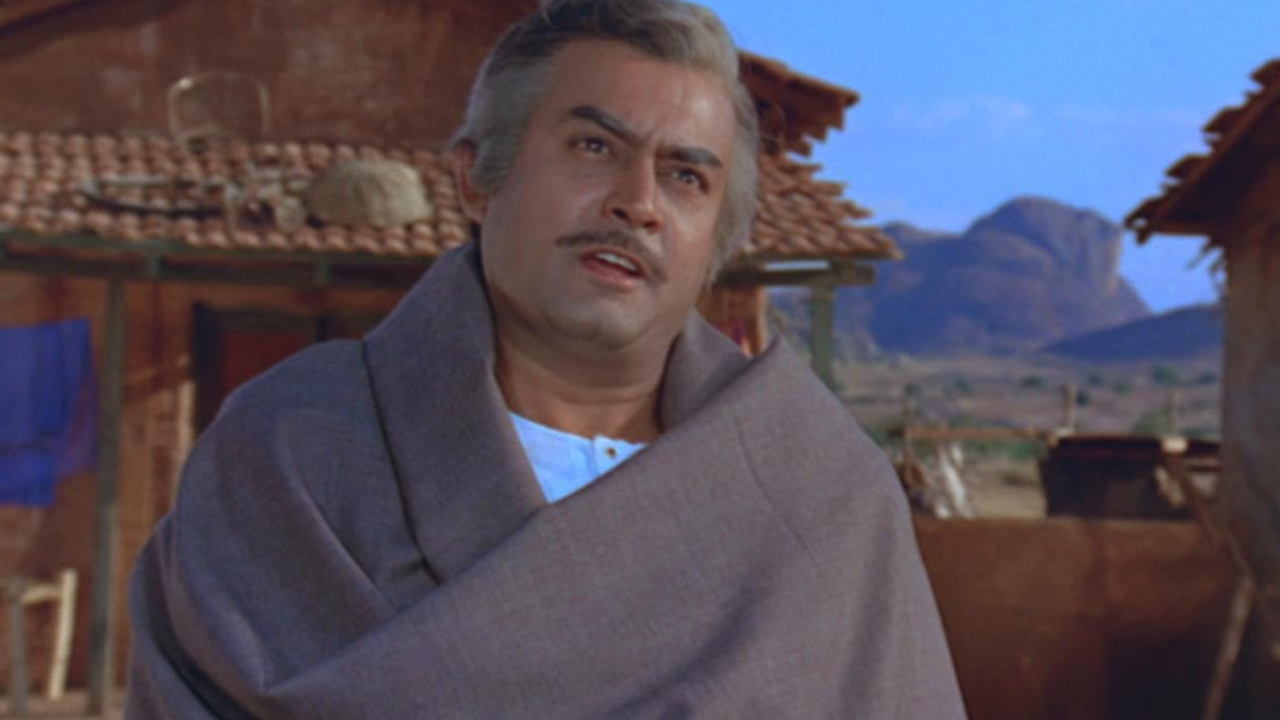
To avoid being typecast as a romantic lead, he intentionally accepted older characters early on and famously portrayed nine distinct roles representing the Navarasa in Naya Din Nai Raat (1974). Beyond Hindi cinema, he worked across Gujarati, Marathi, Punjabi, Tamil, and Telugu films.
To avoid being typecast as a romantic lead, he intentionally accepted older characters early on and famously portrayed nine distinct roles representing the Navarasa in Naya Din Nai Raat (1974). Beyond Hindi cinema, he worked across Gujarati, Marathi, Punjabi, Tamil, and Telugu films.
The secret 1BHK flat
Hailing from a traditional Gujarati family that prohibited non-vegetarian food, he maintained a separate Pali Hills flat solely to host friends and co-stars for late-night meals.
Hailing from a traditional Gujarati family that prohibited non-vegetarian food, he maintained a separate Pali Hills flat solely to host friends and co-stars for late-night meals.
Use of prosthetics
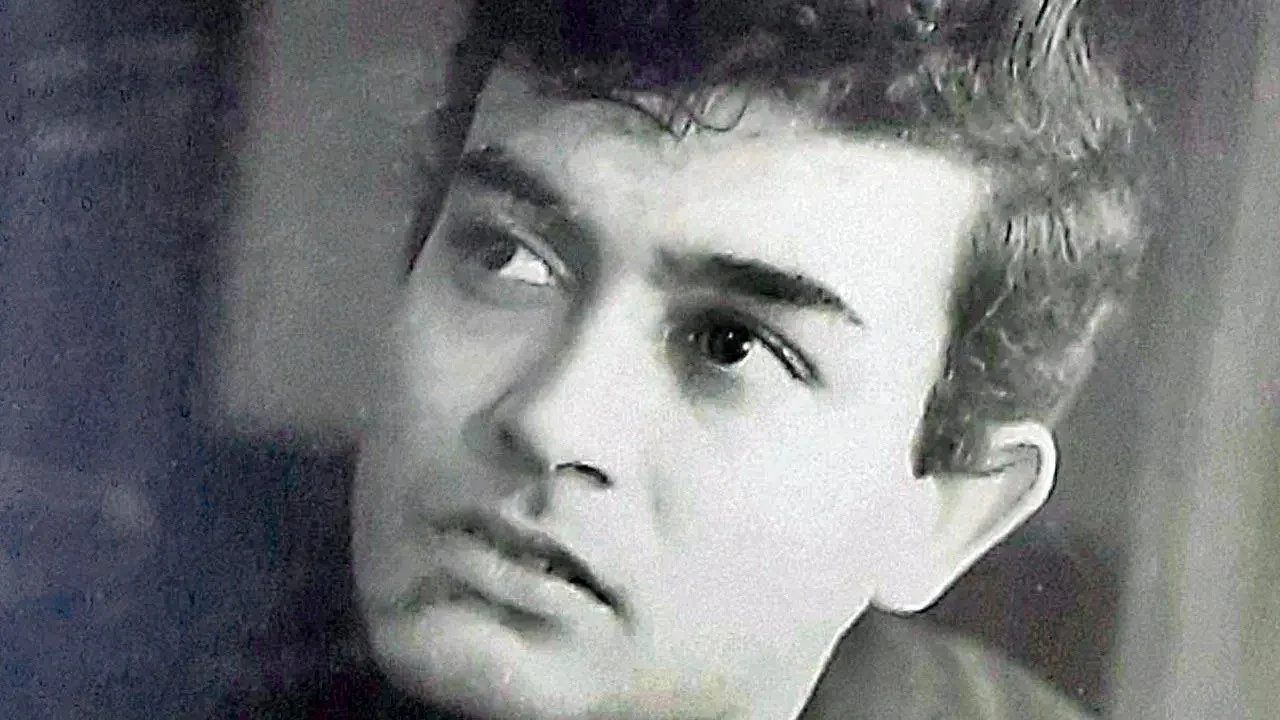
He was an early pioneer in using heavy prosthetic makeup in Hindi cinema, notably for his dual/multiple roles in the thriller Chehre Pe Chehra (1981).
He was an early pioneer in using heavy prosthetic makeup in Hindi cinema, notably for his dual/multiple roles in the thriller Chehre Pe Chehra (1981).
Posthumous releases
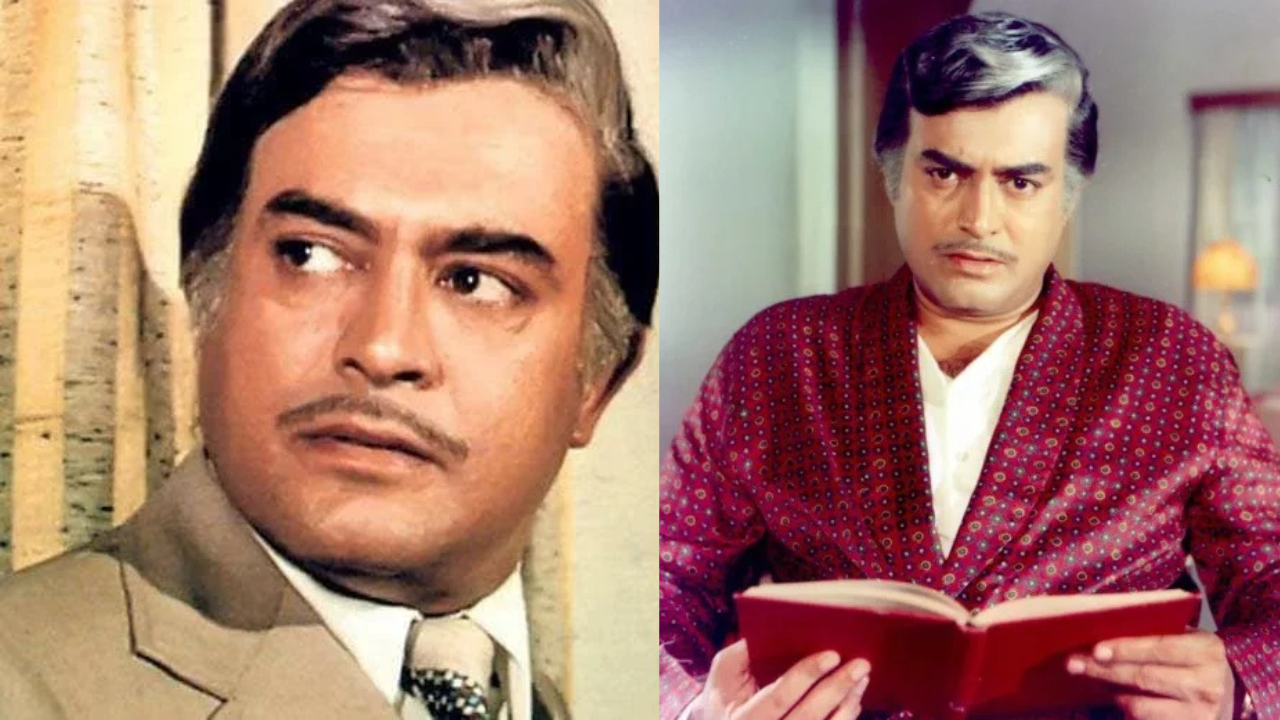
Over ten films starring Sanjeev Kumar were released after his death. His final film, Professor Ki Padosan (1993), was only about 75% complete when he passed away; the second half of the script was altered to make his character invisible.
Over ten films starring Sanjeev Kumar were released after his death. His final film, Professor Ki Padosan (1993), was only about 75% complete when he passed away; the second half of the script was altered to make his character invisible.